Video Title Rctd404 Japanese Time Warp Rumi New Exclusive – Trending & Plus
In the vast and imaginative world of Japanese Adult Video (JAV), certain titles capture the attention of fans for their unique concepts and execution. One such title that has generated significant buzz is This article provides a comprehensive, spoiler-free guide to everything you need to know about this video, from its core concept and cast to its production and reception.
The intersection of speculative themes and exclusive production continues to drive engagement in digital media. Concepts like the "time warp" provide a rich foundation for artistic expression, while exclusive release models cater to the growing demand for high-quality, specialized storytelling within Japanese media landscapes.
Title: RCTD404 – Japanese Time Warp (Rumi – New Exclusive) video title rctd404 japanese time warp rumi new exclusive
In contemporary Japanese media, the "time warp" or time-travel narrative is an exceptionally popular storytelling device. Whether utilized in mainstream anime, live-action dramas, or niche independent films, the concept allows creators to explore "what-if" scenarios, alternate realities, and fish-out-of-water situations.
The internet frequently births cryptic, algorithmic search trends that capture the public's curiosity overnight. Recently, a specific phrase has been circulating across media forums, video sharing platforms, and discussion boards: . In the vast and imaginative world of Japanese
This deep dive breaks down the structural mechanics of the keyword string, exploring the technical and cultural elements that drive online interest in modern digital content. Anatomy of the Keyword String
The emergence of long-tail keywords like this is usually driven by three major digital behaviors: Algorithmic Exploitation Concepts like the "time warp" provide a rich
: This alphanumeric code closely resembles the standardized production catalog numbers used by major Japanese home video distributors (often referred to as product codes or studio IDs).
The global demand for titles like RCTD-404 highlights how interconnected modern fandom has become. Western and pan-Asian audiences heavily rely on database indexing, online forums, and digital marketplaces to source authentic Japanese media. When an exclusive title featuring a popular talent like Rumi drops, it triggers a wave of online documentation, review curation, and marketplace tracking across international fan communities. Conclusion

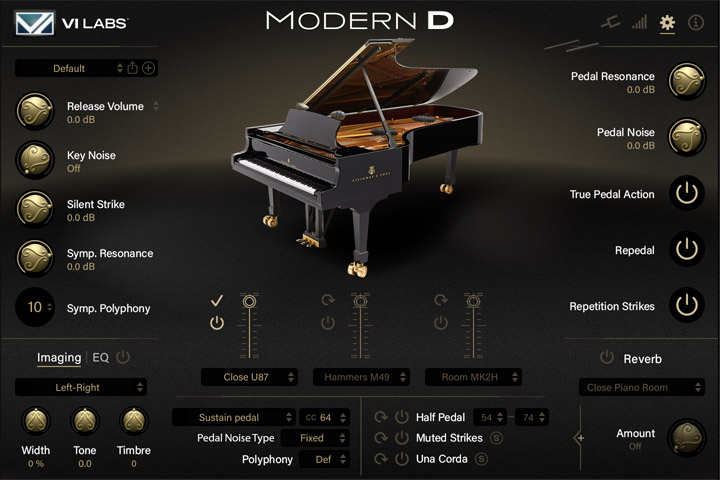
 A virtual Model D like no other
 Modern studio upright piano
 Deeply sampled classic American concert grand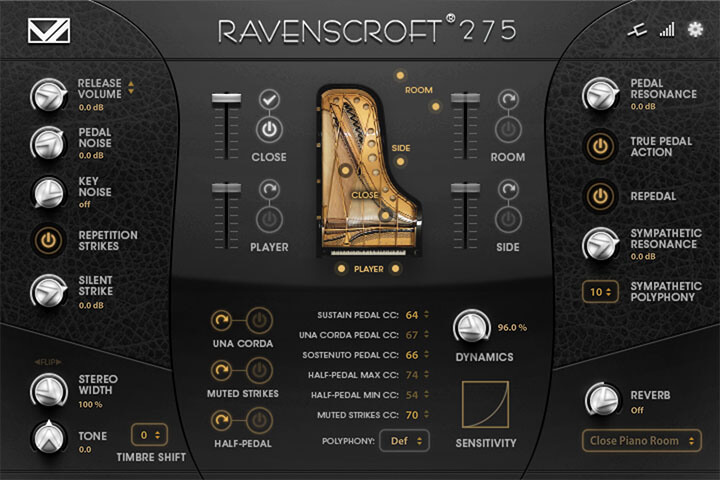
 A virtual piano like no other
 Three deeply sampled virtual concert grands
 Deeply sampled German semi-concert grand
 Deeply sampled 10 foot Italian concert grand