
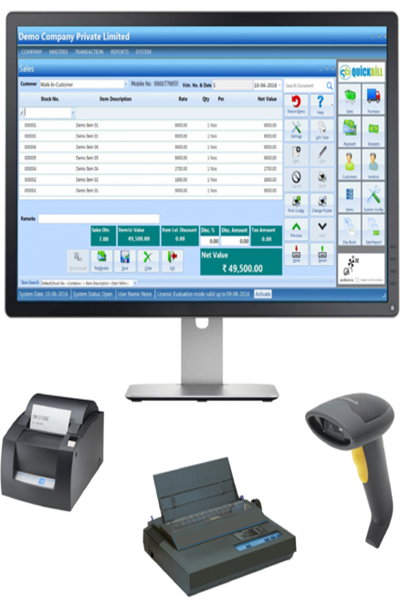
QuickBill is a business solution for small, midsize and large business operation from a single store to a large chain. It is scalable and complete solution for businesses at any stage. It provides greater control over the Inventory, POS / Trading operations along with financials. It's really quick in implementing and is simple, yet comprehensive to use with the power to support your growth plans.



The Dual Impact: Healing the Individual, Changing the System
When personal narratives intersect with structured public advocacy, they create a powerful catalyst for societal change. The synergy between survivor stories and awareness campaigns does more than just educate the public. It dismantles systemic stigmas, influences legislative policy, and provides a literal lifeline to those still suffering in silence. The Power of Personal Narrative: Why Stories Matter
A story shouldn't just be shared for clicks; it should be tied to a clear call to action (donating, signing a petition, or getting a check-up). Conclusion: Your Voice is a Catalyst
Survivor stories in awareness campaigns serve as a , policy change , and community education , provided they are implemented through a survivor-centered, ethical framework . Research indicates that while personal narratives can dismantle harmful myths and empower individuals, they also carry risks of re-traumatization and exploitation if handled purely for marketing or fundraising. 🌟 Key Impacts of Survivor Narratives son raped mom in bathroom tube8 com top
Personalized testimony is often the catalyst for new laws (e.g., Megan’s Law or the Amber Alert system), as it highlights specific failures in existing systems.
Reliving trauma in the public eye can be deeply destabilizing. Campaigns must provide survivors with robust psychological support and the freedom to step away from the spotlight at any time without guilt.
Lawmakers and stakeholders are more likely to enact change when presented with lived experiences. The Dual Impact: Healing the Individual, Changing the
Awareness campaigns often rely on data and statistics to convey the scope of a social or medical issue. However, quantitative data alone frequently fails to inspire behavioral change or deep public empathy. This paper examines the role of survivor stories in humanizing abstract issues, breaking down societal stigmas, and driving legislative and social reform. Through an analysis of modern advocacy, it argues that personal narratives are the most potent tool for mobilizing public support and fostering community resilience.
The #MeToo movement stands as a monumental example of this dynamic. What began as a grassroots effort by Tarana Burke evolved into a global phenomenon when millions of survivors shared their truths. This collective storytelling forced a massive cultural reckoning, leading to rewritten legislation regarding non-disclosure agreements, overhauled corporate policies, and a fundamental shift in how society views workplace harassment. Ethical Considerations in Advocacy
Neuroscience explains why work so well together. The human brain is wired for narrative transport. The Power of Personal Narrative: Why Stories Matter
The digital landscape has democratized advocacy, giving survivors direct access to global audiences without needing traditional media gatekeepers.
In the face of adversity—be it health crises, social injustice, or personal trauma—the human spirit has a remarkable capacity to endure. However, endurance alone isn't always enough to spark change. The bridge between personal struggle and systemic progress is built on two pillars: and awareness campaigns .