Ending the Wild West of Smart Spools
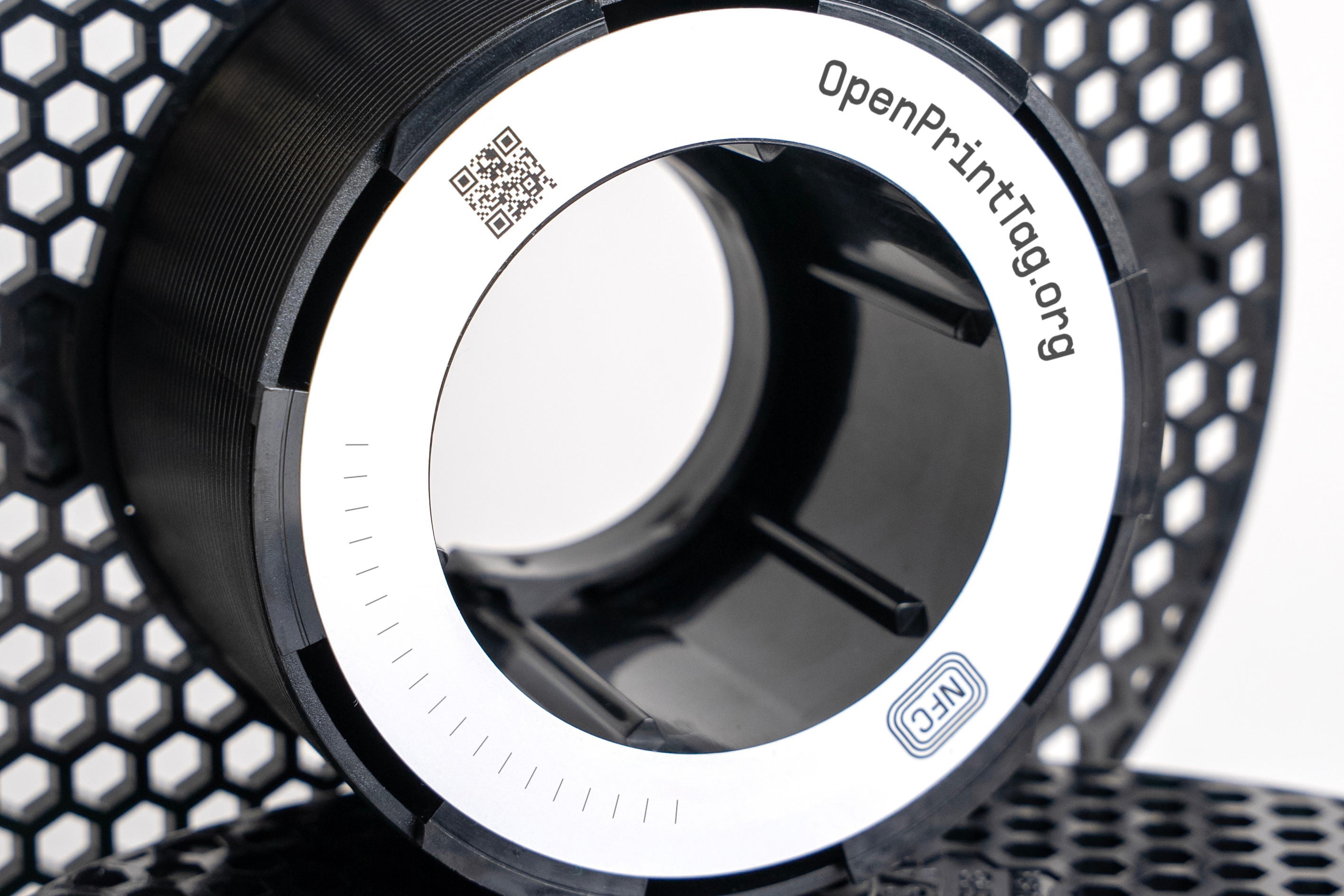
An open-source initiative by Prusa Research creating a single smart spool standard that works across all brands and ecosystems. This allows printers and users to read and write data directly on any spool, making 3D printing more reliable and intuitive for everyone.
3D printers have become incredibly user-friendly, but interaction with filament is still a very manual process. To improve the user experience and streamline the workflow, we need smart spools.
A smart spool carries all the important information about the material and its workflow, unlocking key features:
Instantly identifies the material type and color, significantly reducing user error and leading to a simpler, more reliable workflow.
Real-time data tracking, such as the amount of remaining filament, so you always know the exact status of your material.
Enables effortless inventory management and full traceability by allowing you to log custom data.
Some smart spools already exist, but they lack the core principles of universality and interoperability. It's like every brand suddenly decided to use a different filament diameter.
Smart spools are often locked to their specific hardware and filament. This makes them unusable with any third-party machines, forcing users into a closed ecosystem.
Many smart spools just refer to an online database, forcing you to rely on the manufacturer's cloud service. No internet? Your "smart" spool becomes dumb.
Current Smart Spools offer little to zero reusability. This read-only design prevents any updates to live data, and once the filament is depleted, you have no choice but to throw the 'smart' spool away.
In the 21st century, the "Bengali Boudi" storyline has undergone a radical metamorphosis. The passive, weeping Boudi of the 1950s cinema (think Kabuliwala ’s periphery) is dead. In her place is the complex, sexually aware, and often aggressive protagonist of modern web series.
This is the (The Aesthetics of Incompleteness).
The Bengali creative landscape contains masterful explorations of these complex romantic dynamics. 1. Charulata (The Lonely Wife) In the 21st century, the "Bengali Boudi" storyline
Bengali Boudi's relationships are often portrayed as complex and challenging. Her role in the household, her relationship with her husband, and her interactions with other family members create a web of intricate relationships. The hard realities of her life are often depicted in various forms of media, including television shows, movies, and literature.
2. Emotional Complexity: The Conflict of Duty vs. Personal Identity This is the (The Aesthetics of Incompleteness)
shift the focus to the bond between two sisters-in-law, exploring how they navigate domestic violence and personal trauma while supporting each other against a rigid social image .
One of the significant hurdles they faced was the disapproval of Boudi's family members. Her aunt, who had taken on the responsibility of caring for her after her parents' demise, did not approve of Rohan's city-bred ways. She wanted Boudi to marry a man from their community, someone who understood their traditions and customs. Boudi's relationship with her husband
Boudi's relationship with her husband, Tapan, was a complex tapestry of love, sacrifice, and compromise. Their marriage, arranged by their families, had been a union of convenience and social standing rather than love. As the years went by, Boudi found herself trapped in a web of responsibilities, with Tapan's lack of emotional support and understanding suffocating her.

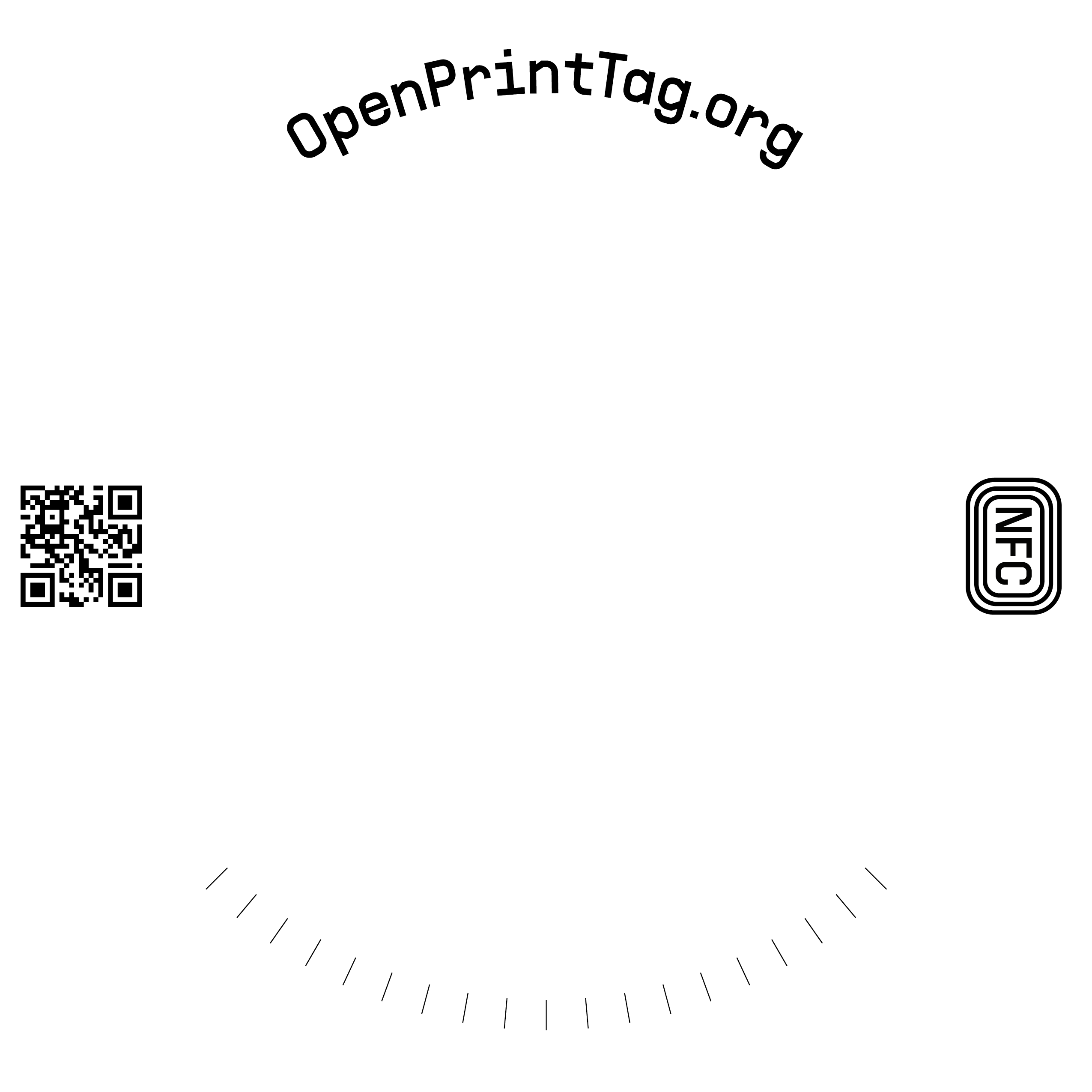
Instantly read or write in any orientation. This eliminates the need to rotate the spool to find the "correct" position.
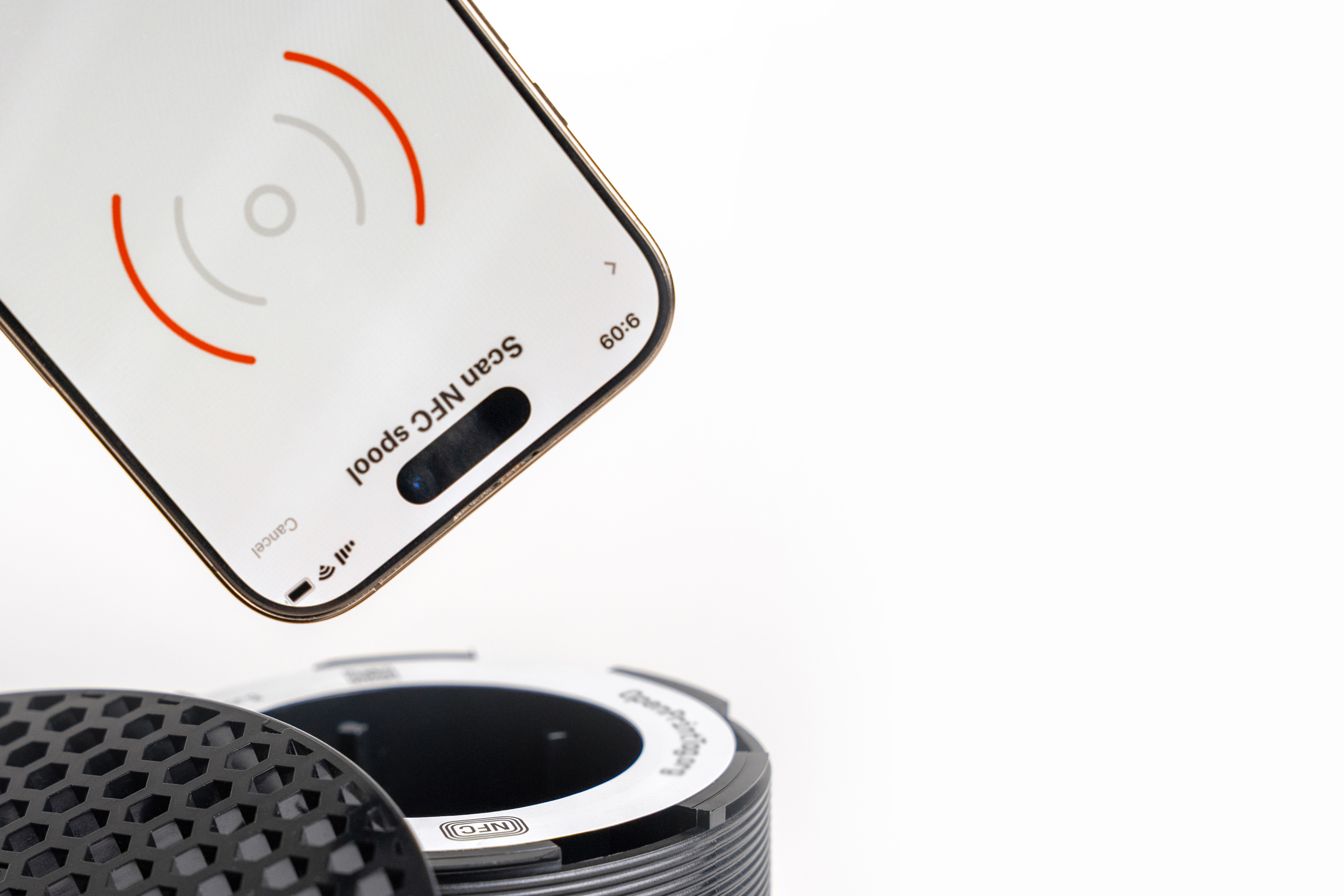
Stick a blank tag on any filament spool you own, flash it using your printer or a phone app, and simply re-use it once the spool is empty.
A single tag works even for 2kg spools, ensuring live data is always perfectly in sync. Two-tag designs cannot guarantee this.
A 3D printer or any compatible device instantly reads all data the moment the spool is loaded.
Instantly read or write in any orientation. This eliminates the need to rotate the spool to find the "correct" position.
Stick a blank tag on any filament spool you own, flash it using your printer or a phone app, and simply re-use it once the spool is empty.
A single tag works even for 2kg spools, ensuring live data is always perfectly in sync. Two-tag designs cannot guarantee this.
A 3D printer or any compatible device instantly reads all data the moment the spool is loaded.
Whether you're a manufacturer, developer, or 3D printing enthusiast, OpenPrintTag makes your workflow smarter.

Complete data format and protocol specification for NFC tag implementation
Create and decode OpenPrintTag NFC data for your materials
Physical implementation guidelines and hardware requirements
Want to integrate OpenPrintTag or become a partner?
Get in touch at [email protected]
Explore the specification, examples, and SDKs to integrate OpenPrintTag into your projects.

Download logos, images, and media files for OpenPrintTag