Wir bitten Sie, Ihren Webbrowser oder den verwendeten ComNorm Client zu aktualisieren. Verwenden Sie für die optimale Funktion der Webseite die aktuelle Version des Google Chrome, Microsoft Edge, Firefox oder Safari Webbrowsers. Diese Webbrowser können Sie bei den jeweiligen Softwareherstellern direkt herunterladen. Für das Update Ihres ComNorm Client nehmen Sie bitte Kontakt mit Ihrem ERP-Hersteller auf.
In an era of hyper-realistic graphics and complex live-service games, the Reflexive Arcade collection remains incredibly appealing for three distinct reasons:
The ultimate test of human reaction time has arrived. No cutscenes. No XP bars. No excuses.
Thanks to dedicated digital archivists and retro gaming communities, the Reflexive Arcade collection hasn't been lost to time. If you want to relive your childhood or explore this era of gaming, here are the safest ways to do so:
The late 1990s and 2000s marked a golden age for downloadable PC gaming, a period anchoring the transition from physical media to digital distribution. At the forefront of this revolution was Reflexive Entertainment. While the company developed its own critically acclaimed titles, its most enduring legacy remains the . This massive digital catalog served as a premier launchpad for casual gaming, shaping the industry before Steam became the dominant force it is today. The Rise of Reflexive Entertainment In an era of hyper-realistic graphics and complex
Reflexive Arcade was a prominent digital distribution platform and game development studio active primarily between 1997 and 2010
Culturally, the Reflexive collection occupies a unique space in the memory of millennials. It represents a specific brand of "sneaky gaming." The ease of downloading a 20MB executable meant that Reflexive games became the go-to distraction for students in computer labs and employees in corporate offices. The collection provided a distinct aesthetic—the "Reflexive wrapper"—that bundled games with a unified interface for high scores, friends lists, and community features that predated Steam achievements. There was a sense of community in seeing the high scores of other Reflexive users, creating a loose social network around single-player puzzle games. No excuses
In a pilot study of 50 subjects playing a prototype RAGC game ( Barrier Break ), reaction times improved by an average of 47ms after 15 minutes of play, with a standard deviation narrowing by 22%. This suggests neural plasticity in the visual-motor loop within a single session.
By the late 2000s, the digital distribution landscape was shifting rapidly. Valve's Steam platform was monopolizing core PC gaming, while smartphones were preparing to absorb the casual market.
Fehler melden
Vielen Dank für Ihre Hilfe bei der Verbesserung von unserem Online-Shop. Bitte machen Sie möglichst detaillierte Angaben zu:
HAWA-Vertical 150/3+5
Vielen Dank für Ihre Mitteilung. Es wurde bei uns im System ein Task für die Produktdaten-Optimierung erstellt. Weitere Informationen werden Ihnen per Email zugestellt.
wird geladen...
Ihr Feedback wird versendet.
Leider ist ein Fehler ist aufgetreten. Versuchen Sie es bitte später nochmals.
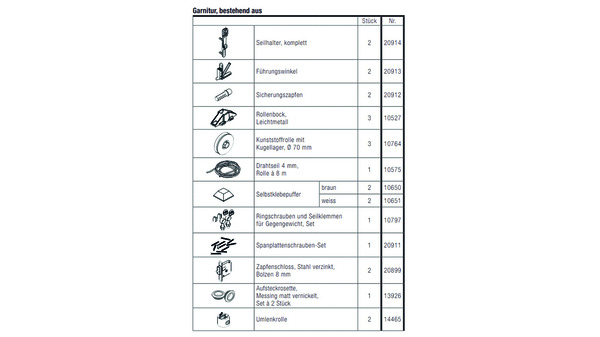 HAWA-Vertical 150/3+5