Misery 1990 Okru Updated Guide |


|
|
Misery 1990 Okru Updated GuideMisery 1990 Okru Updated GuideHow to create a new label design for Automation using Avery Design Pro 5.0 Follow the steps below to create a new label to be used with Automation Suite using Avery Design Pro 5.0. Before you begin, make a new folder anywhere on your hard drive and name it anything you like. (e.g Template) (I put my new folder on the desktop) Using your windows explorer, go to C:\Router-CIM\Automation\Bin and copy the file called Label.dbf into the folder that you just created. While your there, make a copy of the original RouterCIM.zpd file that is in that folder also. Open Avery Design Pro.
At the Start Screen for Avery Design Pro, click ‘Design from Scratch’.
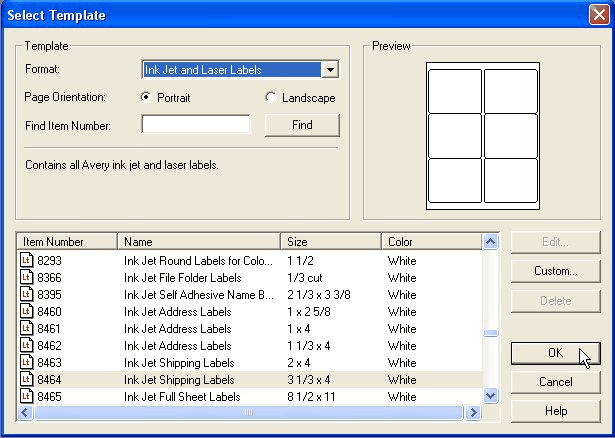
At the Select Template screen, choose the label you would like to use and click ‘OK’.
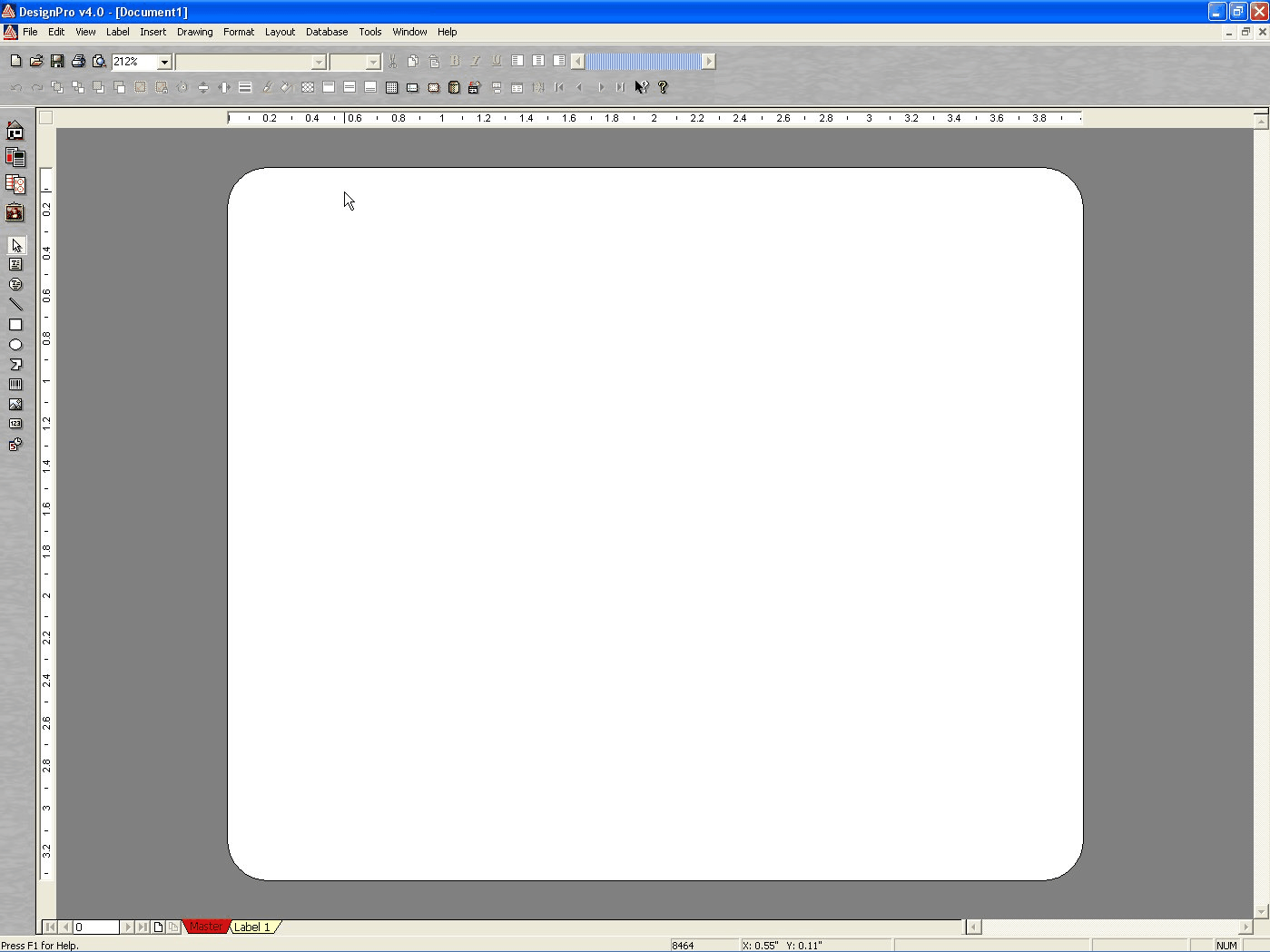
This screen shows actual label that you chose in the previous step.
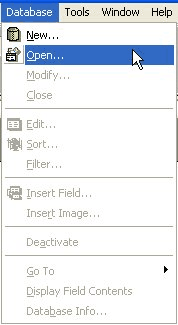
From the Database pull down menu, choose Open…
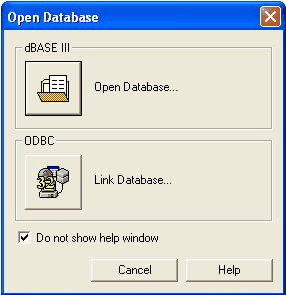
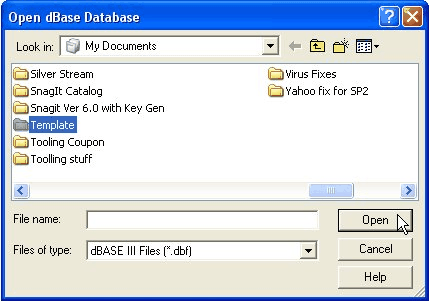
Click on the 'Open Database' icon. At this screen, go to the folder that you created at the very beginning that has the label.dbf
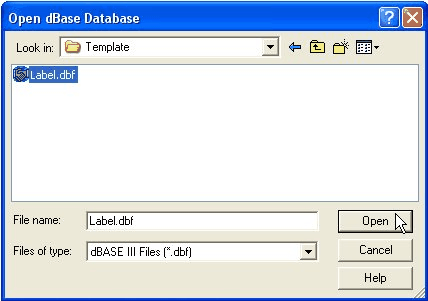
After opening the Template folder (or whatever you called it), select the label.dbf and click ‘Open’.
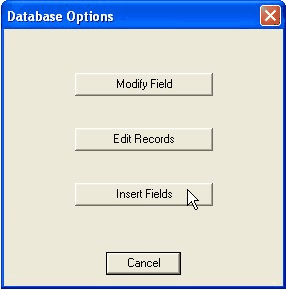
At the next screen, select ‘Insert Fields’.
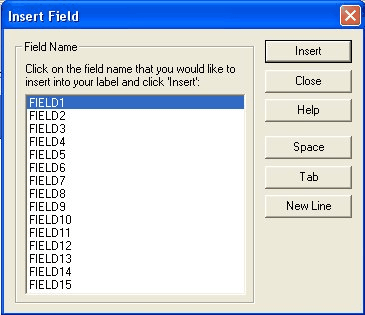
This will open the Insert Fields box.
The next few images will show Field descriptions.
Misery 1990 Okru Updated Guide#Misery #StephenKing #LostMedia #OkRu #FanEdit #HorrorCommunity : The film explores the parasocial relationship between creators and fans, where the fan feels a sense of ownership over the artist's work. Legacy and Reception You might ask: "Why not just watch it on Netflix or buy the Blu-ray?" The answer lies in accessibility and quality. : The film acts as a metaphor for Stephen King's own feelings of confinement within the horror genre, symbolizing how an artist can become enslaved by their audience's expectations. misery 1990 okru updated Misery (1990) on OK.ru: Why Rob Reiner’s Masterpiece Remains Essential Viewing Bates oscillates between a sweet, bumbling nurse and a terrifying, unhinged maniac in the blink of an eye. She is not a monster with a knife chasing teens; she is a monster who thinks she is the hero. She loves Paul, and that is what makes her terrifying. The original 1990 audio mix was notorious for low dialogue volume during the quiet scenes (Paul typing) and explosive volume during the thrashings. Updated versions often normalize the audio, making Annie’s iconic "I’m your number one fan" whisper audible without blowing your speakers. Misery (1990) on OK : Consider utilizing a reputable Virtual Private Network (VPN) to shield your data and IP address while navigating international social video hubs. Many older TV rips of Misery looked washed out, turning Annie’s cozy Colorado cabin into a drab grey box. Updated remasters restore the warm, claustrophobic amber tones of the living room and the cold, sterile blues of the bedroom, enhancing the psychological tension. Misery was the first film produced by Rob Reiner's company, Castle Rock Entertainment (named after the fictional town in Stephen King stories). Its success cemented the reputation of King adaptations as a potent force in Hollywood. It also paved the way for future thrillers to focus on character-driven, confined spaces, establishing the "single-location thriller" archetype that many creators still emulate today. The original 1990 audio mix was notorious for The film centers on Paul Sheldon (James Caan), a famous novelist who is "rescued" from a car crash by his "number one fan," Annie Wilkes. What begins as a recovery effort quickly devolves into a nightmare when Annie discovers Paul has killed off her favorite character, Misery Chastain. The update to the source material famously replaced the novel's graphic foot amputation with the "hobbling" scene—a sledgehammer blow to the ankles that director Rob Reiner felt was more psychological and less overtly "slasher". Key Themes and Execution Whether you are watching it for the first time or revisiting the terrifying world of Annie Wilkes, Misery (1990) is a cornerstone of American horror cinema.
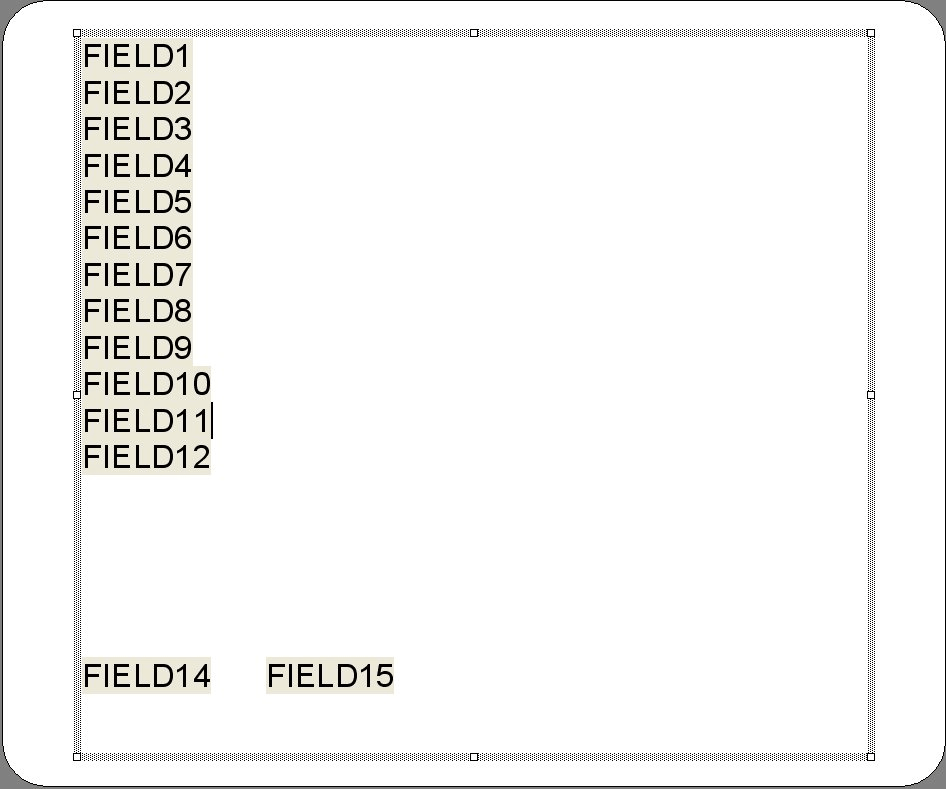
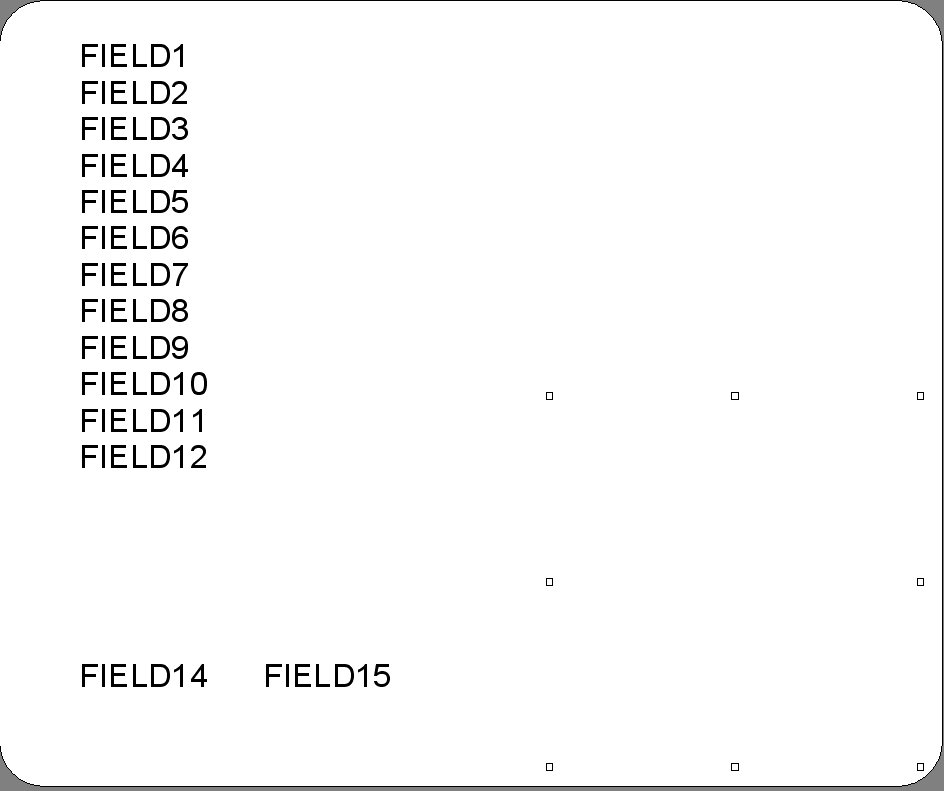
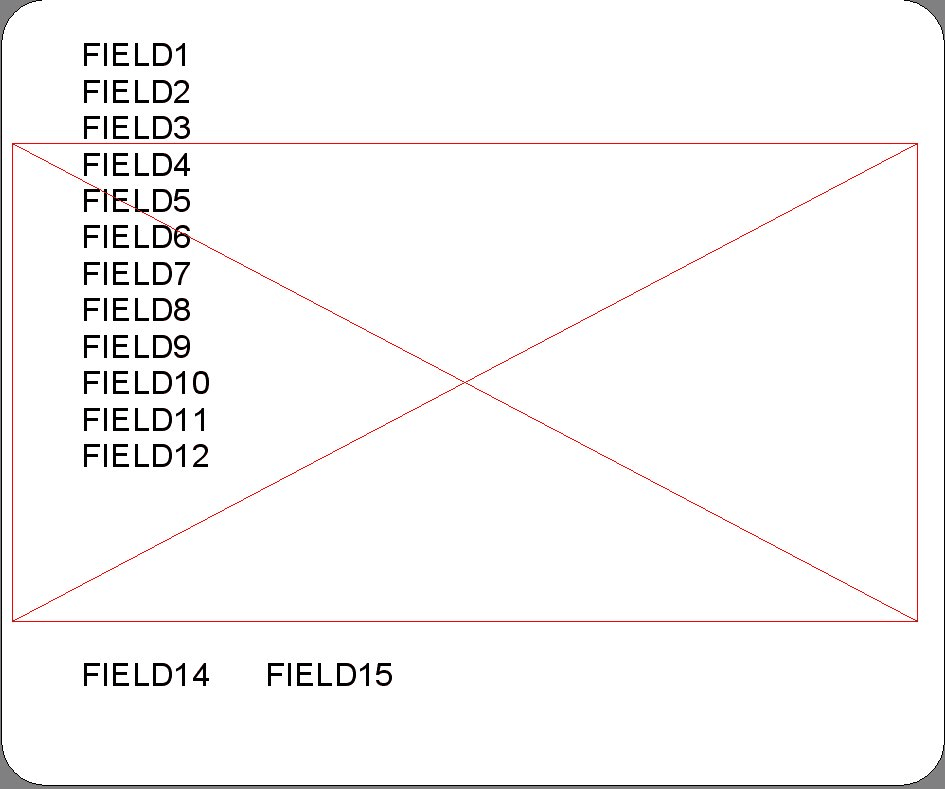
Using the Insert, Space, and New Line buttons, you can make the layout for you’re your new labels. Because of the size of this label, I was able to fit all of the fields on this label. Remember, the size of the label you choose dictates how much information (or how many fields) you can actually place on the label.
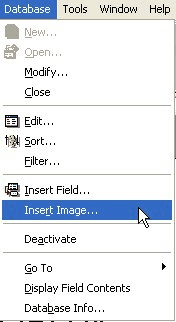
Notice the placement of fields 14 and 15. This will be important because placing it at the bottom of the label; these fields will be at the bottom of the Bar Code. Also notice that Field 13 is not on the label above. This is explained next… Field 13 is the graphic that can show the picture of your part on the label. To place a graphic on the label, from the Database pull down menu, choose ‘Insert Image’
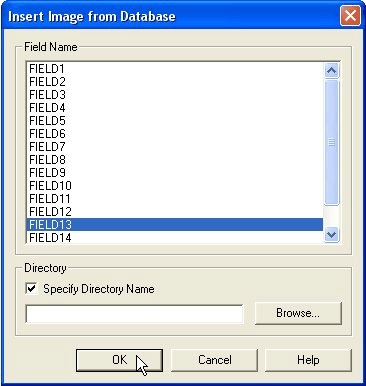
Choose Field 13 and click 'OK'.
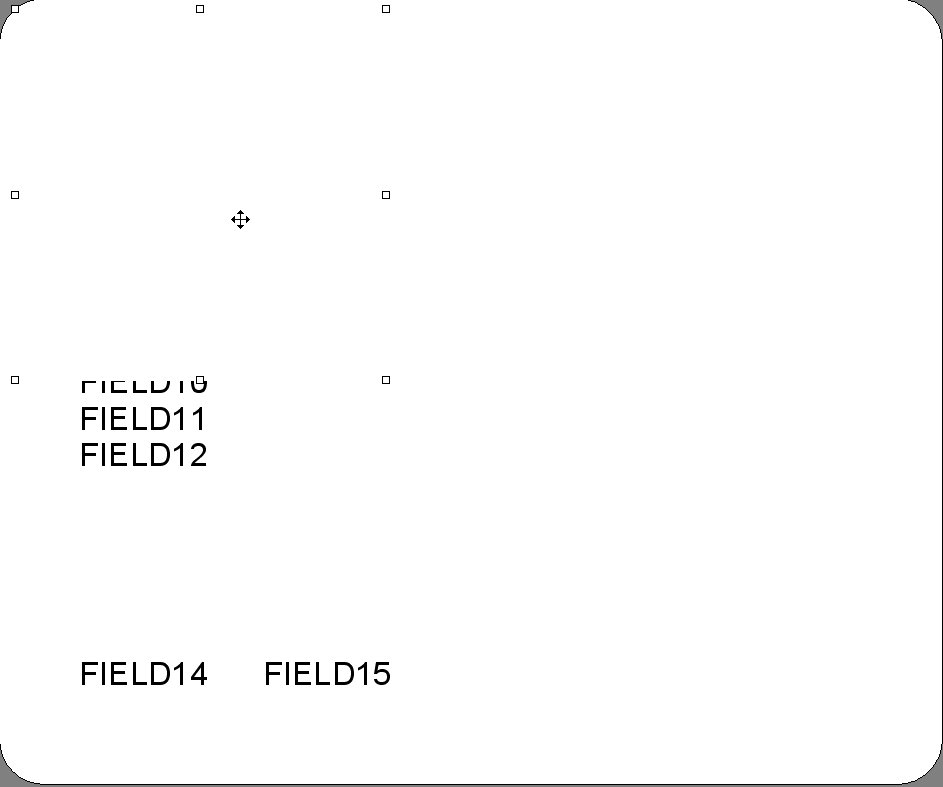
By default, the graphic is placed in the upper left corner of the label.
By grabbing and dragging, place the graphic box in the location you would like your graphic it be placed. For this example, I have placed the graphic in the lower right corner.
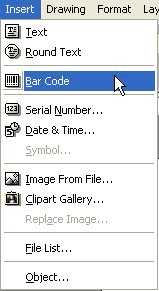
Field 15 is used to place a Bar Code graphic on the label. First, from the Insert pull down menu, choose ‘Bar Code’.
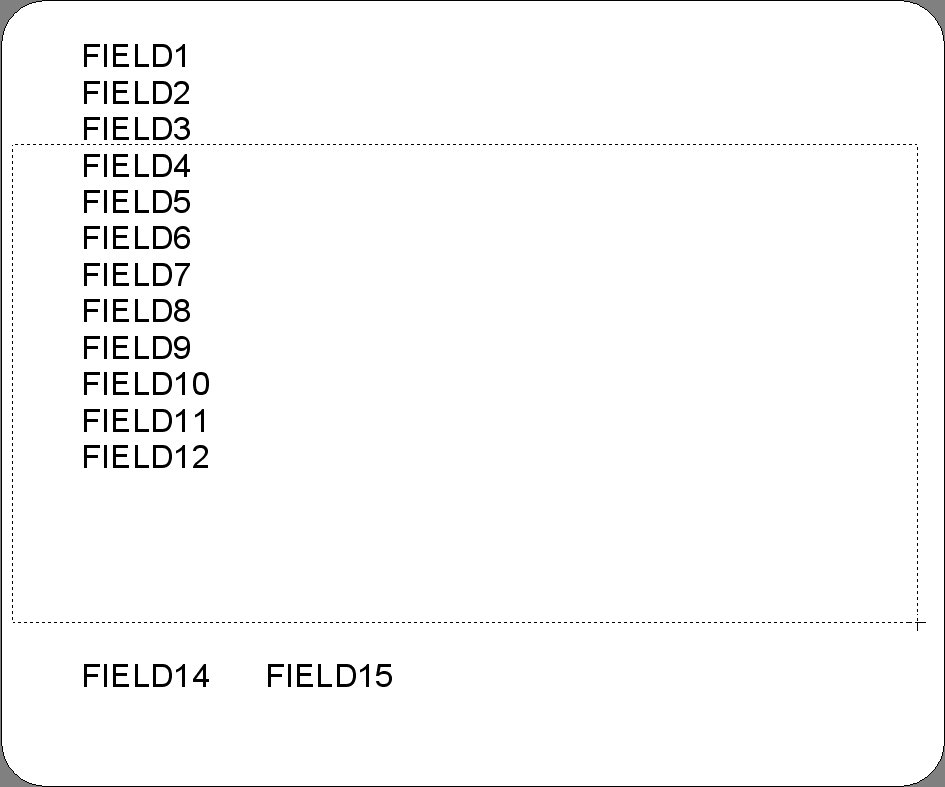
Your cursor will now change, drag from the upper left to the lower right to create a box.
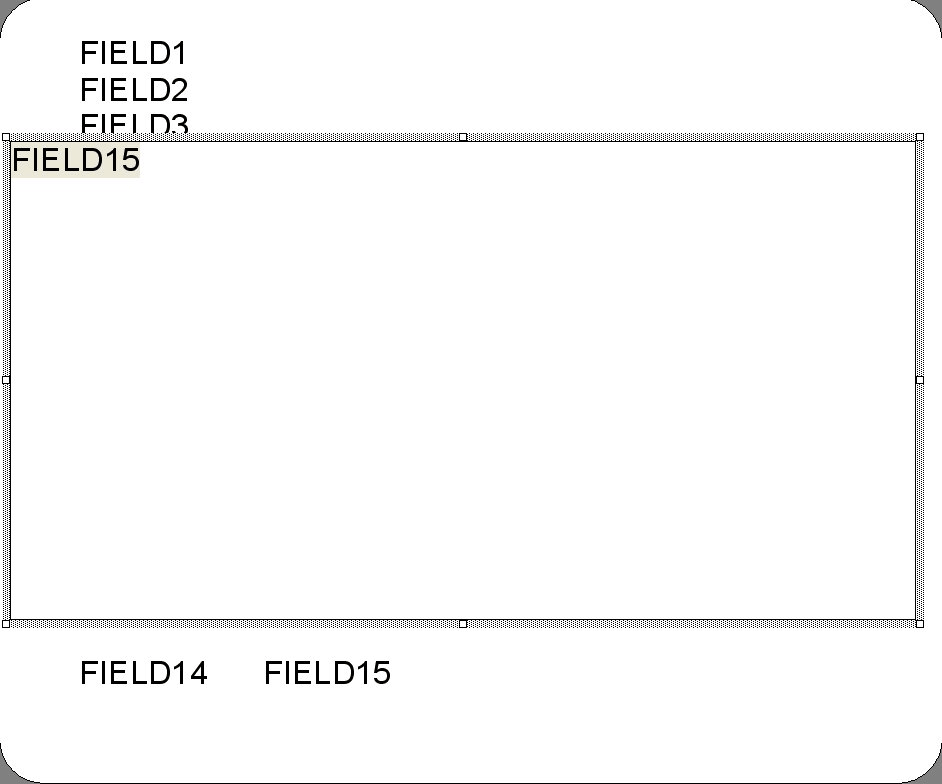
After the box is created, from the Database pull down menu, choose ‘Insert Fields’ and click on Field15 and click ‘Insert'.
When finished, your label should look like this.
NOTE: To prevent the bar code from becoming larger than the label and to have the name of the bar code shown, follow these steps: Highlight the bar code image and right-click on the dotted edge. Select 'Format Bar Code...' for the list.
This will open the Format Bar Code dialog box:
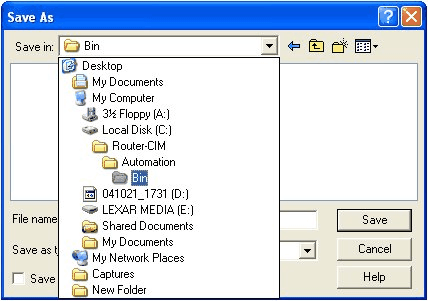
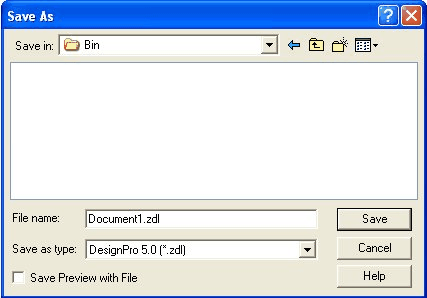
You want to make sure that 'Display Plaintext' and 'Adjust Size' are selected. Now it’s time to save your label. Choose 'Save’ or 'Save As’ from the file pull down menu. The Save in: should be set to C:\Router-CIM\Automation\Bin.
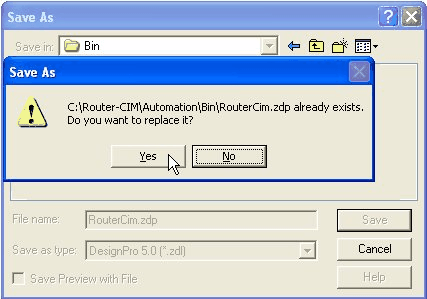
PLEASE NOTE THE FILE NAME: The only choice you have is to save it as a .zdl type at this point. In the File name: type in RouterCIM.zdp and click 'Save'. You should be asked if you would like to overwrite the file. Answer ‘Yes’
Copy the label.dbf file from the Template folder created in the beginning of the tutorial to the C:\Router-Cim\Automation\Bin folder and choose 'Yes' to overwrite the existing file. Then delete the copy of the label.dbf file in the Template folder you created. You are finished….run a job through Automation. When the job if finished and you open the Data Folder, you will see a RouterCIM.zpd file. Double-click on it. You will probably have to set the path for windows to open this type of file. The application to use would be the Labeler.exe found in C:\Program Files\Avery Dennison\DesignPro 5.0 Limited Edition folder. |