Is Botswana Getting A Raw Deal From De Beers Diamonds - The World News
Upon independence in 1966, Botswana possessed very little infrastructure. Founding President Seretse Khama chose partnership with De Beers over exploitation, ensuring public ownership of mineral wealth, which funded free education, healthcare, and infrastructure.
To truly maximize its wealth, Botswana is actively pursuing strategic diversification within the diamond sector and beyond. For example, the government has explored partnerships with independent diamond traders and cutters outside of the De Beers ecosystem, such as its deal with Belgian firm HB Antwerp, to create a parallel, fully transparent supply chain.
This economic crisis became the central issue in the October 2024 election, leading to a stunning political upset: the Botswana Democratic Party (BDP), which had ruled for 58 years, was voted out of power. President Duma Boko of the Umbrella for Democratic Change (UDC) swept into office on a wave of public anger over the government's handling of the diamond downturn and negotiations with De Beers.
: Most rough diamonds were historically shipped abroad for cutting and polishing in hubs like India, depriving Botswana of higher-value manufacturing and retail jobs. Alleged Profit Shifting Upon independence in 1966, Botswana possessed very little
But on the dusty streets of Jwaneng, home to the richest diamond mine in the world by value, the sentiment is different. Miners complain that while executives fly in private jets, local polishers earn less than $200 a month. Meanwhile, De Beers reported $6 billion in rough diamond sales last year—but Botswana’s share of downstream profits remains negligible.
De Beers has historically had the right to buy 100% of Debswana's production. Critics argue that De Beers then sells diamonds at higher prices through its global distribution network, leaving Botswana with only mining profits and taxes, not downstream margins.
In short, Gaborone wants to become Antwerp or Mumbai. It wants to process the diamonds where they are dug. For example, the government has explored partnerships with
Botswana is aggressively pursuing a controlling stake in De Beers, aiming to shift from a historical partnership model to total ownership as part of a strategy to maximize control over its diamond resources and address economic pressures. While recent sales agreements increased the state-owned, Okavango Diamond Company's share, the government is currently seeking financing from Oman to bid for a majority stake amid a significant global diamond market downturn. Read the full details on the, Mining.com
The most compelling evidence that Botswana is getting a raw deal comes not from the legal text of the agreement, but from the brutal reality of the global diamond market. The industry is currently in one of its worst crises in memory, and the numbers from 2025 and 2026 are devastating.
Botswana Diamond Glut Crisis Hits 12M Carats in 2026 - Discovery Alert : Most rough diamonds were historically shipped abroad
The 2025 deal has improved the situation—moving the ODC allocation from 25% to 40% and eventually to 50% is a tangible victory. However, the fact that the mining licenses were extended for a full quarter-century in exchange for these gains suggests that De Beers still walked away with the long-term prize: security of supply.
According to a 2023 report, under the expiring agreement, De Beers purchased 75% of Debswana’s output, leaving Botswana’s state-owned Okavango Diamond Company (ODC) with just 25% to sell independently. This meant De Beers controlled the flow, the pricing, and the strategic stockpiling of diamonds. As one analyst noted, the previous arrangement allowed De Beers to "park African diamonds firmly under the control of mismanaging multinationals".
Diamonds built Botswana. Now it must ponder a future without them.

 OnlyOne Live
 OnlyOne Live Plus
 OnlyOne Meet
 OnlyOne TouchMe
 OnlyOne TouchMe Plus
 OnlyOne TouchMeet
 OnlyOne Maxi
 OnlyOne Maxi Plus
 OnlyOne Maxi Meet
 OnlyOne UltraWide
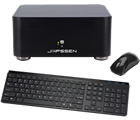 MicroBox
 MicroBox Plus
 SuperFast
 UltraFast
 HandyStation Premium
 HandyStation Pro AI
 OverSense
 OverSense Plus
 OverSense Maxi
  OverSense Maxi Plus
 PAN 10 Maximo
 PAN Accessories
 MediaBox 4K
 MediaBox 4K Automation
 DigitalBox 4K AI
 Media Peripherals
 Droid LED Projector
 Droid LED Projector Pro
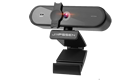 WebCam Pro 2K
 Smart Robot Cam
  SmartLife
 Smart IR Hub
 Smart Security Kit
 Sensor
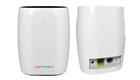 WiFi Mesh
 JWL Wireless LAN
 PAN Watch Feel
 PAN Watch VIP
 PAN VR-1