Credentials harvested directly from user devices via malware (like RedLine or Vidar) that extracts saved passwords from web browsers. The Legal and Ethical Risks of Searching for Leaked Data
Targeted social engineering, SIM-swapping, and fraudulent financial applications.
Never save passwords in unencrypted text files on your computer, cloud storage, or especially on web servers. The very existence of files named password.txt in public directories is a practice that should be completely eliminated from personal and organizational security habits.
: In the context of data leaks and hacking forums, "exclusive" implies that the data is fresh, unique, or has not been widely circulated among the public. It acts as a marketing term within the underground data-sharing community. How Google Dorks Expose Directory Listings
What makes this breach particularly dangerous is the structured nature of the data. According to the research team, most of these credentials originated from stealer malware, credential-stuffing operations, and repackaged previous breaches. The inclusion of historical and recent infostealer logs, complete with tokens, cookies, and metadata, creates a comprehensive blueprint for mass exploitation.
Here’s the paradox.
: Use a unique password for each account. This way, if one account is compromised, your other accounts remain secure.
Go check your Desktop. Delete the file. Start fresh.
) to find servers that accidentally expose their file directories. password.txt auth_user_file.txt
Reusing passwords across multiple services is the single most dangerous habit that enables credential-stuffing attacks. Each Facebook account, email account, and online service should have its own unique password. A strong password consists of at least 12 characters, mixing uppercase and lowercase letters, numbers, and symbols.
: When a web server is misconfigured and lacks an explicit default landing page (like index.html ), it displays a raw directory listing of the files hosted on that server. The page title automatically becomes "Index of /" followed by the folder path.
Simple, Intuitive, Efficient and Clean

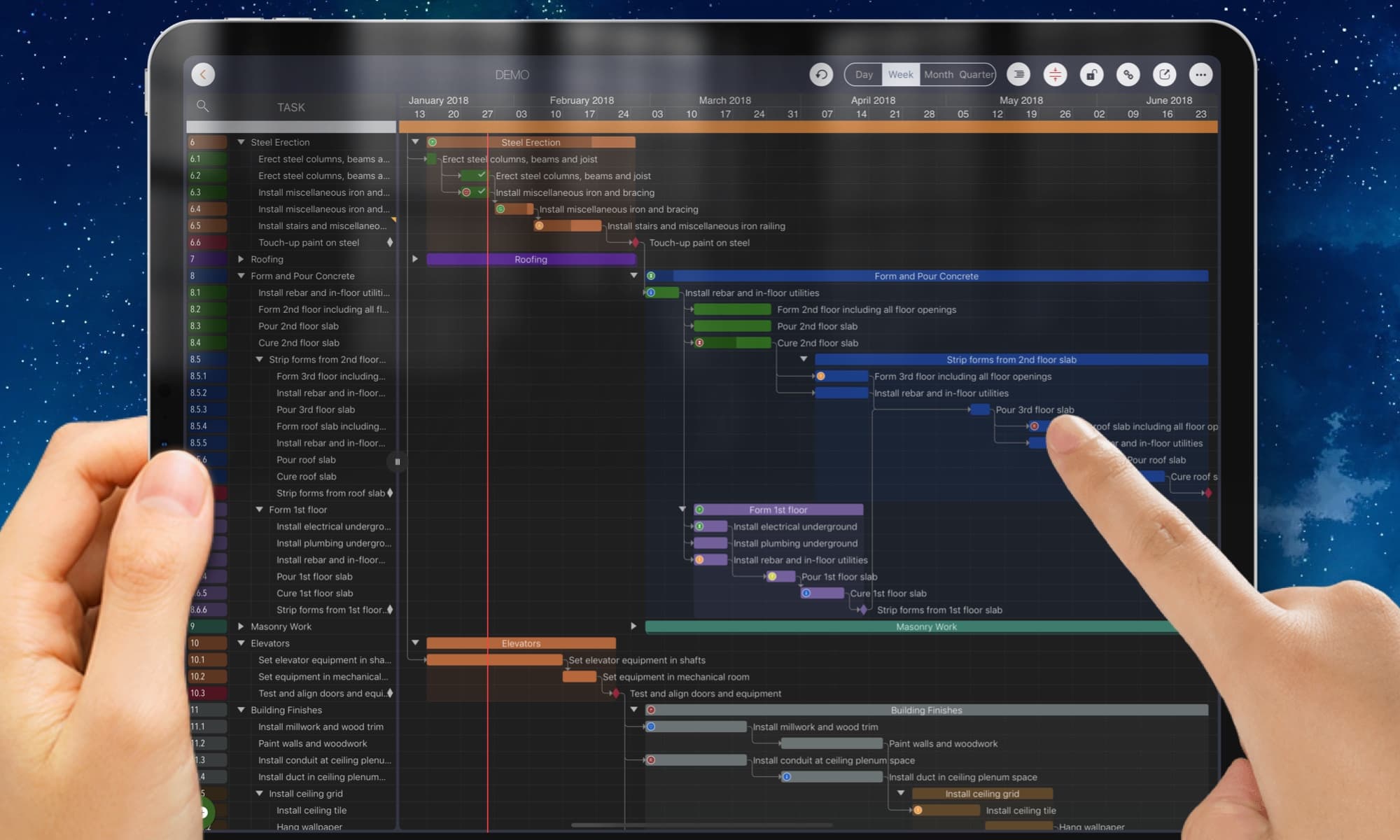
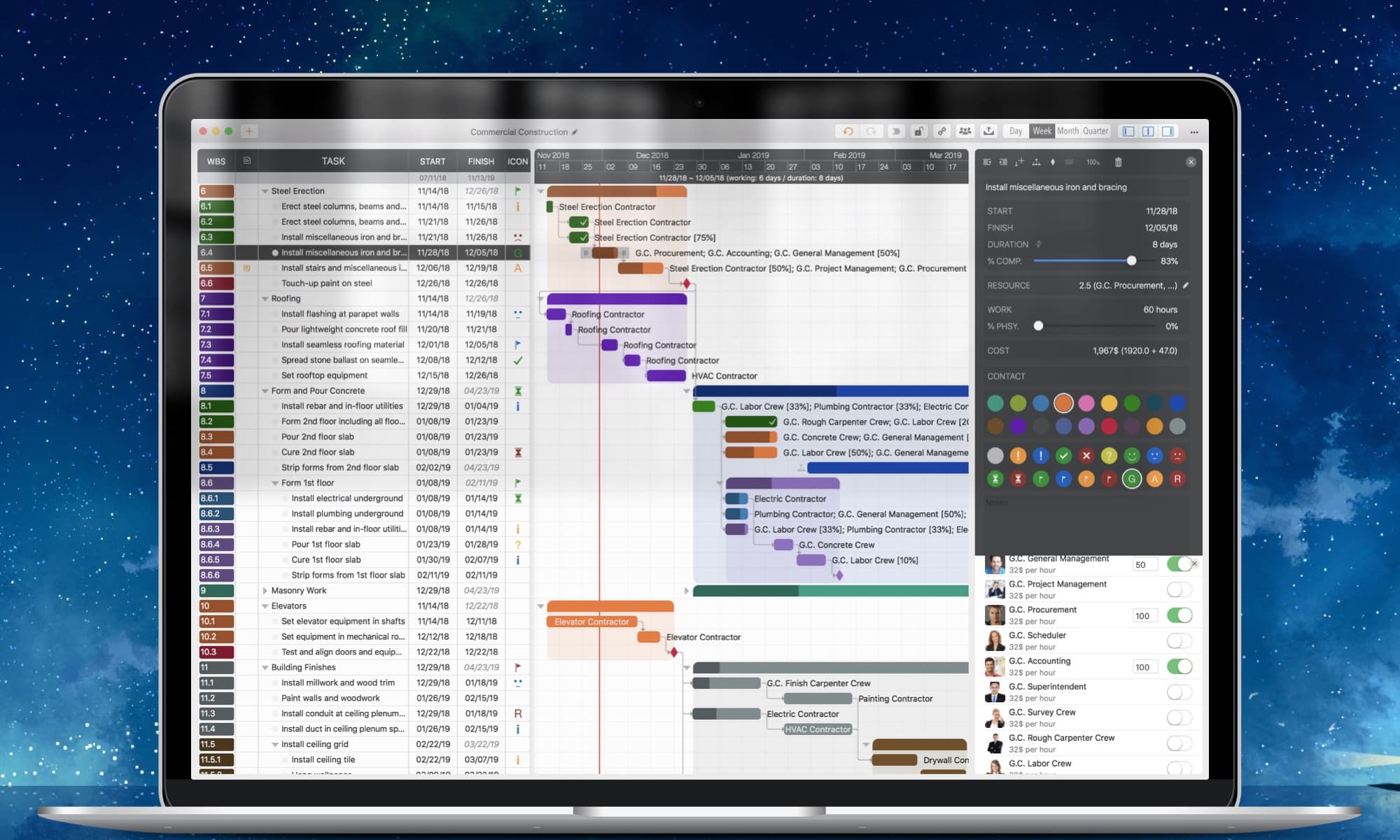
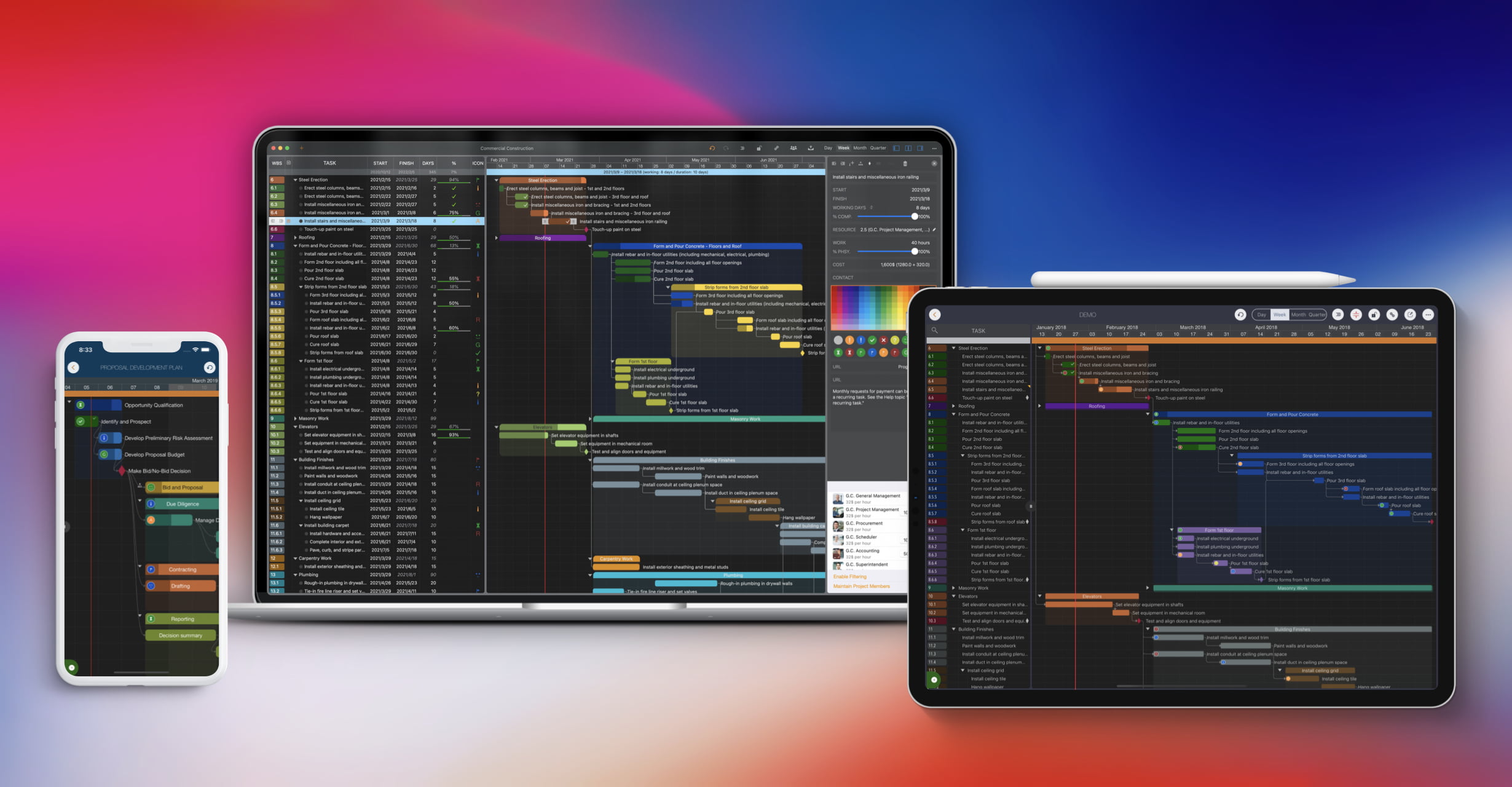
QuickPlan brings the best features of Microsoft Project to iOS and macOS without the complexity—delivering the INTUITIVENESS and SIMPLICITY you know and love.

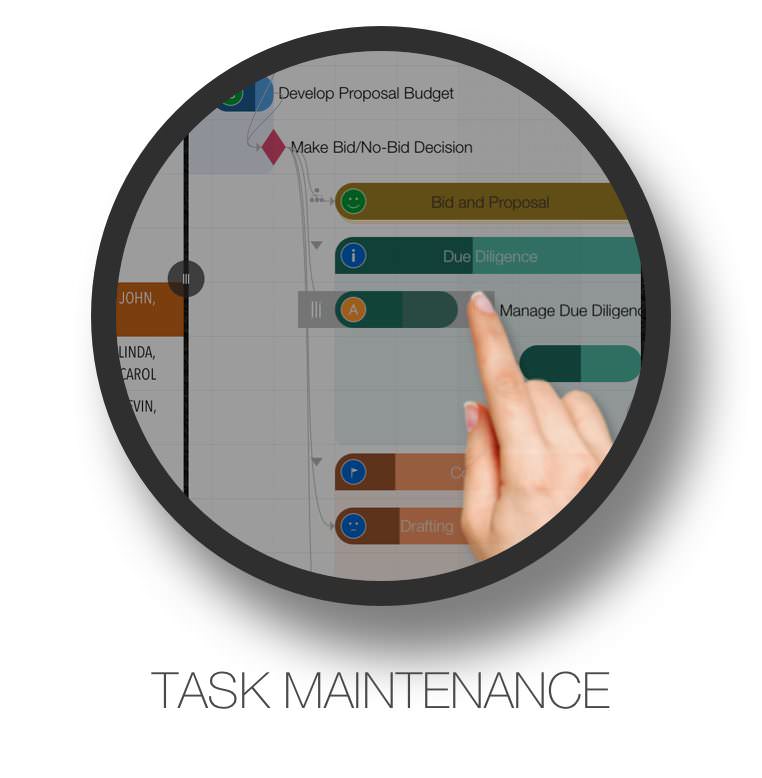


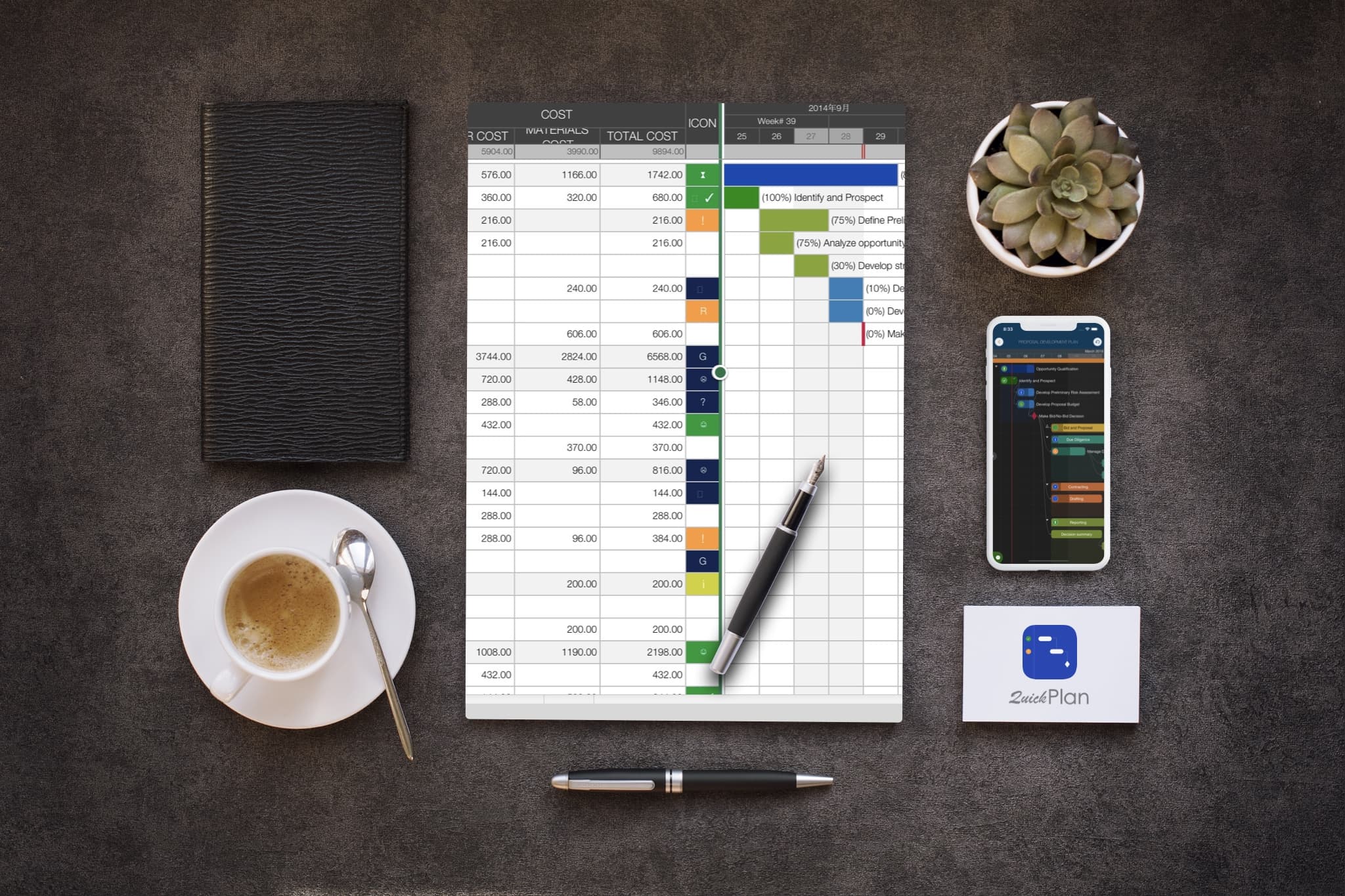
Export your projects to PDF, Excel, and image files with flexible and powerful customization options for content and layout.View Details
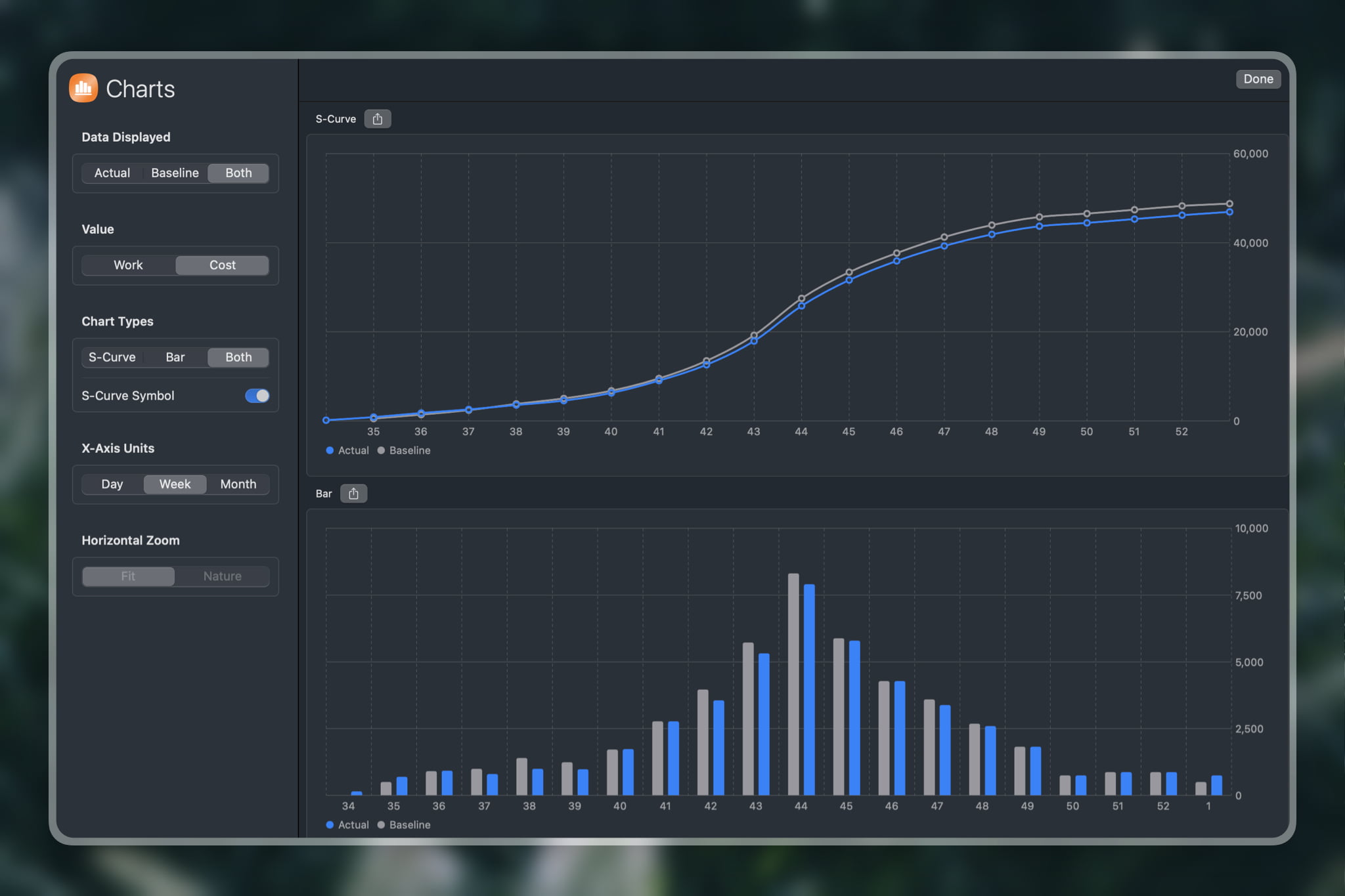
Create and compare baselines, generate reports, and customize S-Curve and Bar charts with ease.
Share projects seamlessly across teams and devices using AirDrop, Dropbox, OneDrive, and other cloud storage services.
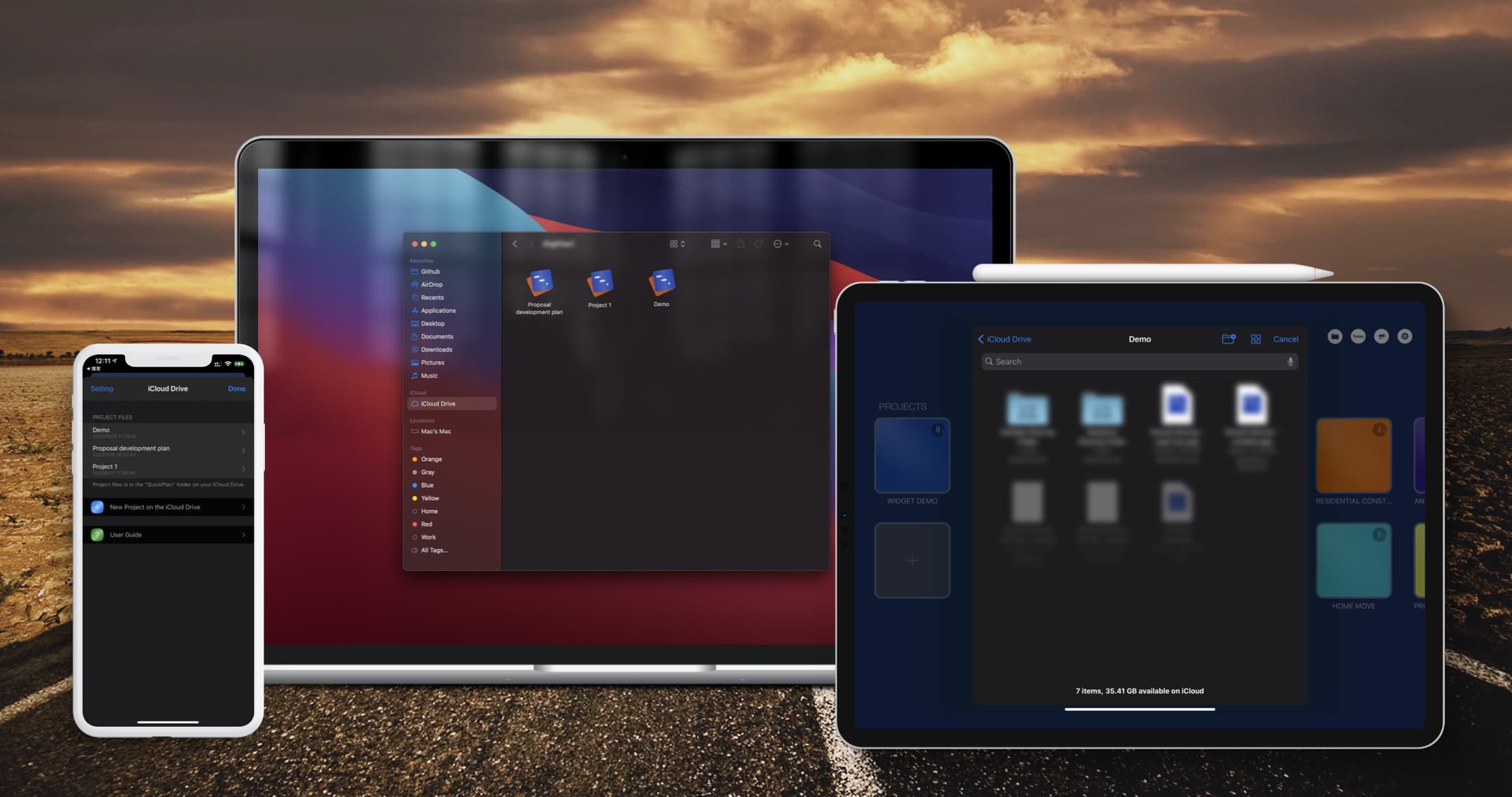
Sync project files between iOS and Mac devices via iCloud Drive.View Details
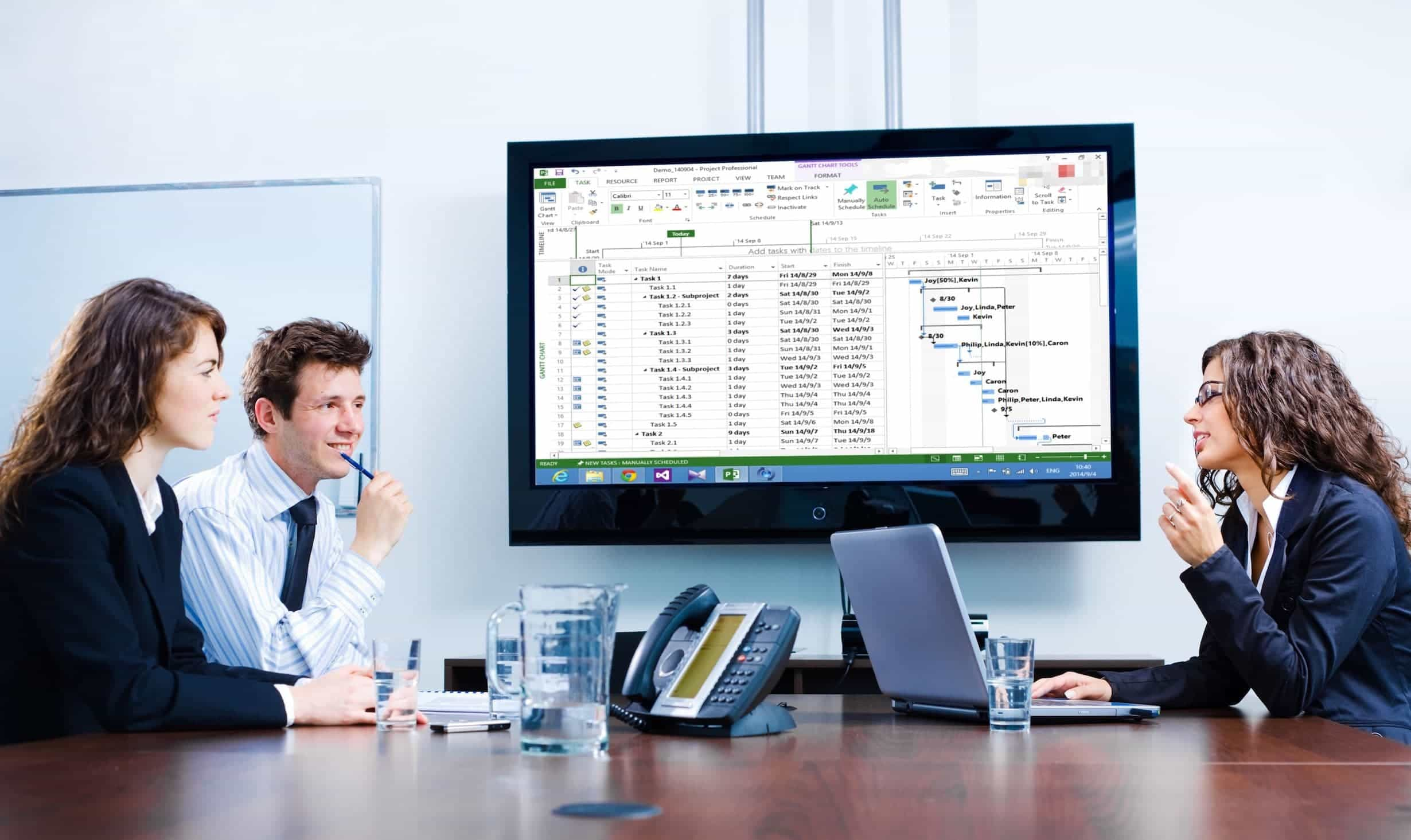
Export to Microsoft Project files (.XML format) and import from Microsoft Project files (.xml format).View Details
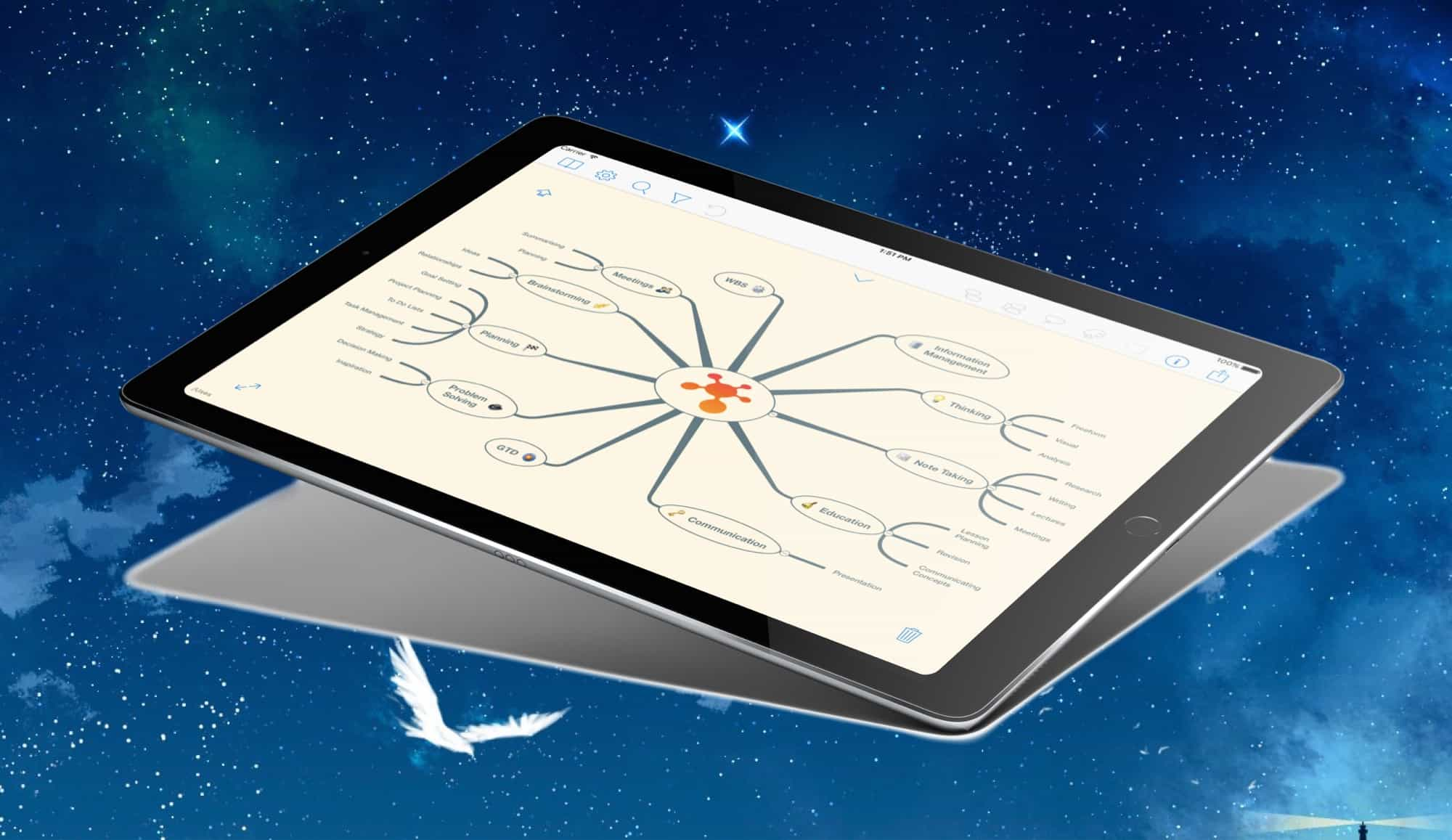
Import from Mind Map (.opml) files, and export to OPML format (QuickPlan for Mac).View Details
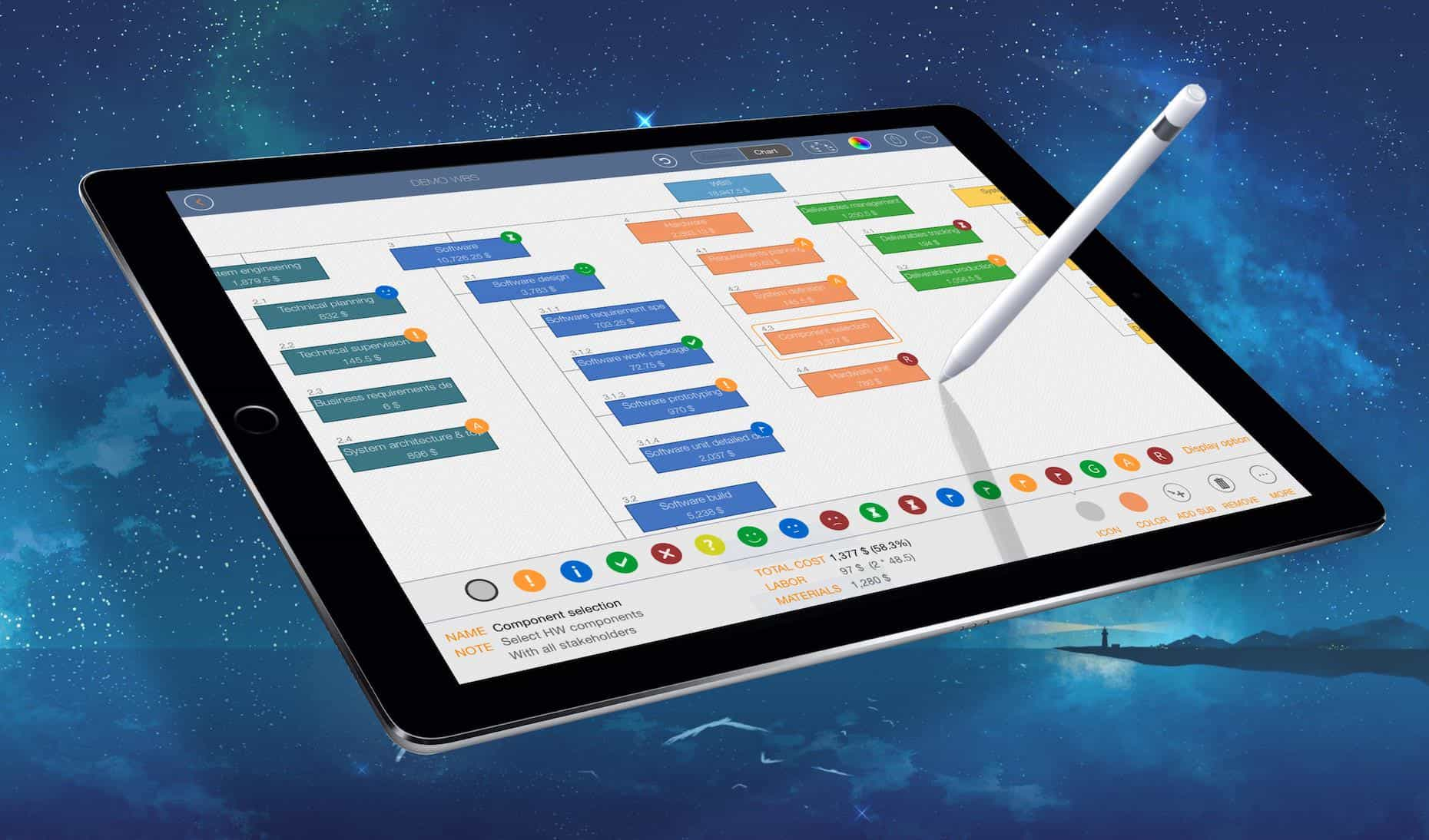
Simplify input/output in the project management process with Swift Apps WBS.View Details
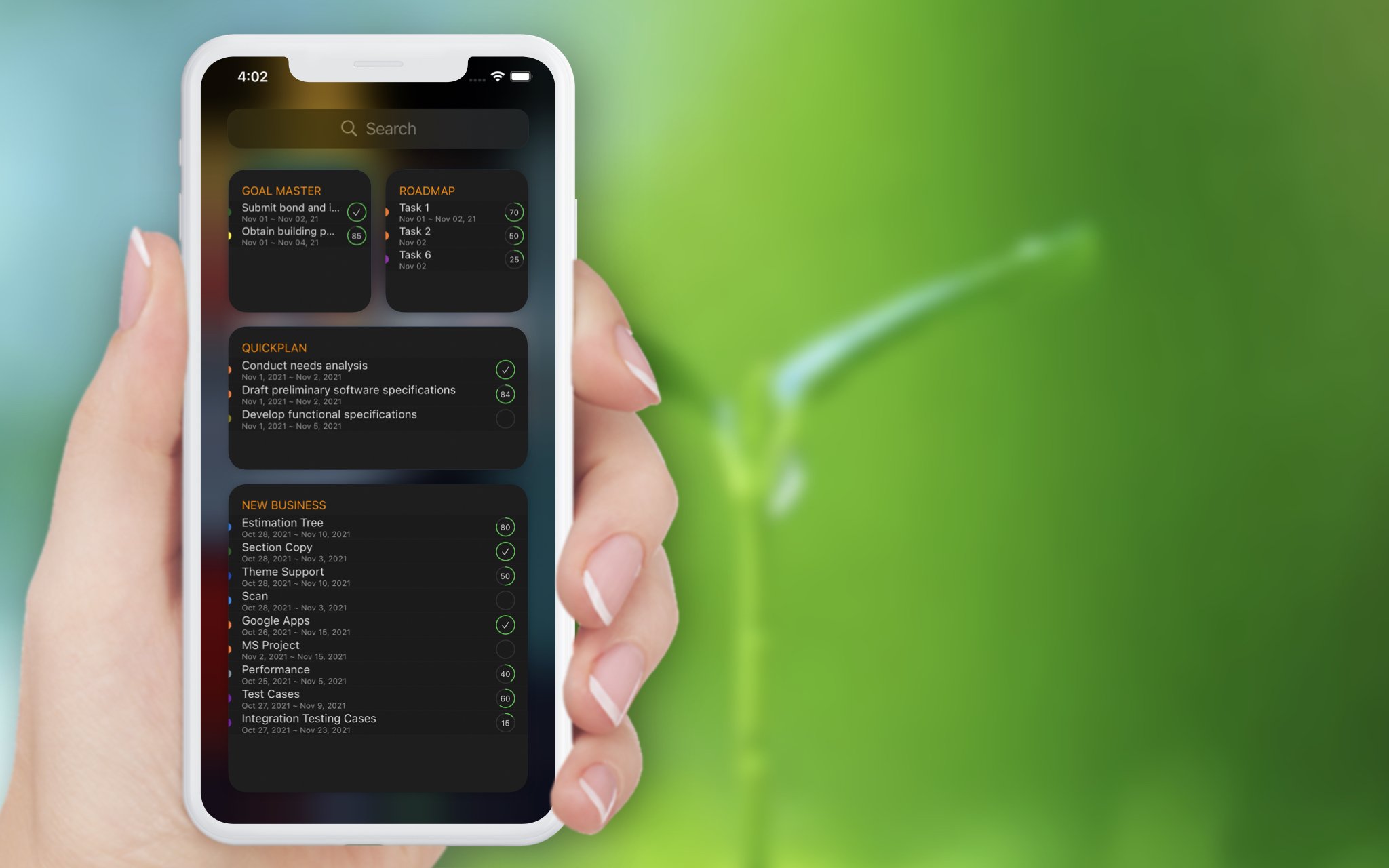
Today Widget, local notifications, and in-app Today list with multiple project selection options.View Details

Dob Chris
QuickPlan app is the best planning app I have ever used. It is very easy to use and helps me to be more efficient in my work. It has all the features I need to plan my projects effectively and collaborate with my team members smoothly. It is smart and strong enough to handle complex projects and large data sets. I highly recommend QuickPlan app to anyone who wants to plan smart and work easy. 👍
Txavatar
I have all the project geek merit badges – PMP certified, contributing author of the PMBoK, and a 20 year veteran of running projects up to thousands of personnel and billions of dollars. This tool shines in regard to easy of use combined with functionality. 99% of the users of Microsoft Project can’t properly use more than 10% of the application as everyone geeks out and wants more functions and more gadgets. QPP allows you to QUICKLY get a project sketched out and running. Earned Value Calculations and Resource Leveling? Yeah good luck with that on any tool. Im not going to suggest any more functionality to this tool to avoid unnecessarily complicating it but I will ask for a web-based or Mac-based app to easier support the initial keying and loading of all the project activities. That’s not a shortcoming of QPP but rather of iPads, which simply aren’t as good as a full size keyboard for data entry.Thanks for a terrific App!!
Scott, PMP
This is my go to app for project planning and tracking on iOS. I’m using it daily to plan and track projects and have found it to be the best project management app for iOS thus far. The ability to quickly enter information, move it around and organize it so that clients and stakeholders can understand it is priceless. In addition to project tracking, I’m using it for high level program management reporting to align management stakeholders to the overall plan and status.The developer has done a great job with the user interface and user experience. There are video tutorials available on how to use the app making it very clear on how to use. I’ve found it to be very intuitive which has made it easy to learn and use so I can quickly make changes while discussing the project with clients.The export functions are great making it easy to send a snapshot via PDF, Excel or PNG to stakeholders and resources to keep everyone on the same page with the project. Exporting XML works great when it’s time to make the schedule more complex than what should be managed on the iPad or if needed to align with an enterprise project reporting tool.I’m using the app daily and have found it to be the best project planning tool on iOS that is available.
Credentials harvested directly from user devices via malware (like RedLine or Vidar) that extracts saved passwords from web browsers. The Legal and Ethical Risks of Searching for Leaked Data
Targeted social engineering, SIM-swapping, and fraudulent financial applications.
Never save passwords in unencrypted text files on your computer, cloud storage, or especially on web servers. The very existence of files named password.txt in public directories is a practice that should be completely eliminated from personal and organizational security habits.
: In the context of data leaks and hacking forums, "exclusive" implies that the data is fresh, unique, or has not been widely circulated among the public. It acts as a marketing term within the underground data-sharing community. How Google Dorks Expose Directory Listings
What makes this breach particularly dangerous is the structured nature of the data. According to the research team, most of these credentials originated from stealer malware, credential-stuffing operations, and repackaged previous breaches. The inclusion of historical and recent infostealer logs, complete with tokens, cookies, and metadata, creates a comprehensive blueprint for mass exploitation.
Here’s the paradox.
: Use a unique password for each account. This way, if one account is compromised, your other accounts remain secure.
Go check your Desktop. Delete the file. Start fresh.
) to find servers that accidentally expose their file directories. password.txt auth_user_file.txt
Reusing passwords across multiple services is the single most dangerous habit that enables credential-stuffing attacks. Each Facebook account, email account, and online service should have its own unique password. A strong password consists of at least 12 characters, mixing uppercase and lowercase letters, numbers, and symbols.
: When a web server is misconfigured and lacks an explicit default landing page (like index.html ), it displays a raw directory listing of the files hosted on that server. The page title automatically becomes "Index of /" followed by the folder path.
© 2013 ~ 2026 COPYRIGHT QUICKPLAN | All Rights Reserved
Swift Apps